
17 Superstars We'd Love To Recruit For Our Asian Rug Cleaning Team
Why How Persian Rugs Are Made are So Popular
Table of ContentsHow How To Clean Persian Rugs Can Save You Time and MoneyPersian Rug Collectors are Disrupting The Business WorldHow Persian Rugs are Changing the World
Rows of knots were then connected between wefts. Having thousands of years of success and little requirement for change, this procedure is still utilized today. The greater the knot count per square inch of a rug, the finer it is and more complex its pattern. authentic. A Persian silk carpet could have over 1,000 knots per square inch, though on average, rugs consist of 30 to 300 knots per square inch.
Levine Auction & Appraisal (February 26, 2016) (See above lot information) A closer appearance at knots connected into an elaborate carpet pattern. A huge part of Iran's culture and art, a Persian rug is special because it carries with a link to the past (the art of carpet weaving is thought to date back at least 3,500 years) and in its style, which varies by area and people.
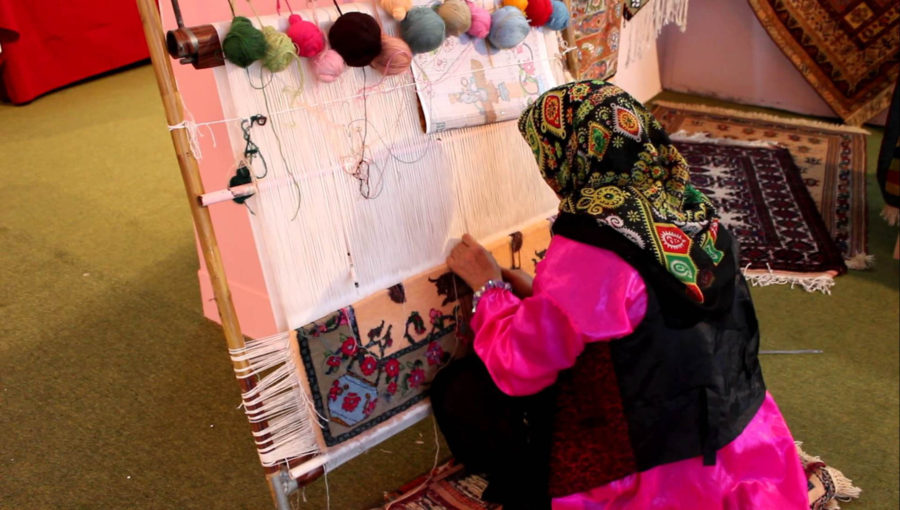
The total process of producing a fine, handmade Persian carpet might take a weaver a year or more to finish. The colors of dyes have likewise long portrayed particular meanings. For instance, reds represent happiness, luck, guts, and wealth; blue methods power and sincerity; yellow represents the sun, and has therefore become connected with royalty.
Factoring in these requirements as well as who formerly owned it and who it was produced, a rare rug can reach well into the millions at auction, similar to the 17th-century Sickle-Leaf Carpet that sold for $33. bright. 7 million at a Sotheby's New york city auction in June of 2013.
Asian carpets are some of the most lovely carpets available. However how are Asian carpets made? Are those detailed designs that difficult to develop? As it ends up, years of craftsmanship and experience are poured into every asian carpet. Generations of carpet-making understanding enters into the end product sitting in your home - expensive.
Lots of customers ask us what goes into producing among our carpets, so I wanted to simplify for anyone baffled or curious about the process. However first, let's go through a little backstory to supply some context Initially, as far as we know, asian carpets come from Asia and the Middle East.
Some Fundamentals about How Persian Rugs Are Made That People Overlook
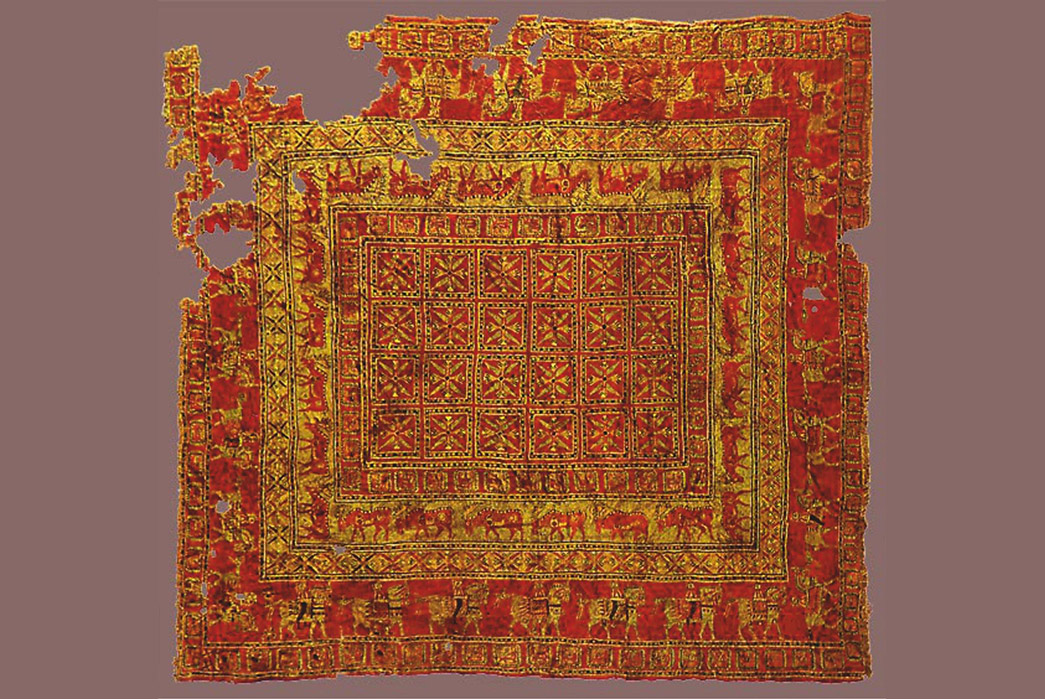
( The earliest recognized pile-woven woven carpet is the Pazyryk, dating back over 2,500 years.) Iran, China, India, Russia, Turkey, Pakistan, Tibet and Nepal are some of the most significant exporters of asian carpets in the contemporary era. However, the standard design and styles have actually stayed constant for hundreds of years. large. Numerous other rug styles are more modern.
Color is one of the main aspects identifying oriental rugs from other carpet types (ivory). Various tones of the following colors are greatly featured in many styles: Brown Blue/indigo Green Yellow Red White/ivory As carpet-weaving developed, each color pertained to represent various elements of society or emotions. For example, red symbolized happiness, pleasure, courage, wealth, luck, and vital force.
Brown was the color of fertility, earth and soil - floral. We can still experience these importance today, but they do not influence purchase decisions as much as they have traditionally. Antique Oriental rug styles constant of detailed geometrical shapes and wavy patterns, often surrounded by a thick border likewise containing design elements.
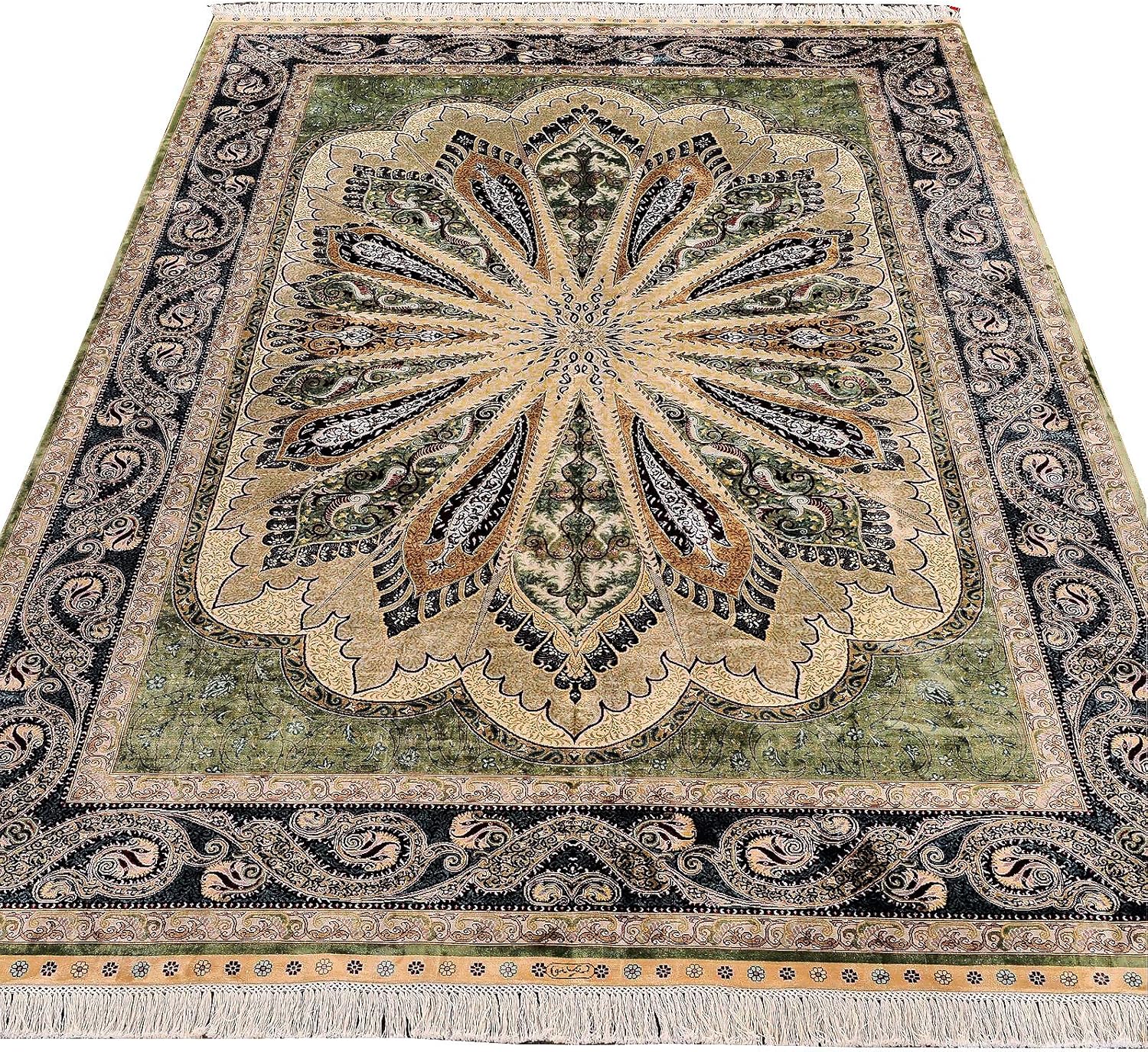
As your eye moves along the rug's surface, you can envision the precision each weaver thoroughly released. Asian rugs are characterized by a mix of vertical, horizontal, and diagonal lines. These lines comprise different shapes that are duplicated symmetrically across the rug to develop the very same theme. (This theme can likewise be examined to determine the rug's place of origin. tabriz.) Lots of asian carpet styles likewise feature a large central style component, or medallion (wool).
The most typical product utilized to create asian carpets is wool. Wool is an excellent rug making product, due to the fact that it's a sustainable resource (sheared from sheep and in some cases camel or goats), it feels elegant to the touch, and it's durable - colorful. Silk is also utilized to produce oriental carpets. Due to its high expense, however, silk is much less typical than wool and is utilized to make pricey, extremely high quality carpets.
There is also the choice of wool & silk blends. Discover wool and silk rugs, we offer rugs dyed with 100% organic veggie dyes. Cotton is the 3rd material frequently used to make oriental rugs. Cotton is usually utilized as the foundation of a rug, which is just somewhat noticeable from the carpet's leading surface - white.
The top 7 things Persian Rug Collectors can help with
In terms of dyes (coloring) there are two primary types: Natural vegetable dyes and synthetic dyes - grey. Artificial dyes are man-made by different chemical substances. While there is some merit to utilizing specific artificial dyes for specific kinds of carpets (and parts of rugs), authentic asian carpets are colored with natural dyes.
 1 fun facts About The History Of Persian Rugs That Will Alter the Way You feel
https://www.youtube.com/embed/dEoVSwF9q-4
Ghiordes, Jufti, Kilim/Flat-weave, Senneh, and Senneh/Flat-weave are a few of the most typical - expensive. Various geographical regions and designs use differing types of knots, which the skilled eye can take a look at on the back of the rug. You may be questioning, why do asian carpets cost a lot? Initially, it takes an enormous quantity of ability and craftsmanship to create an asian rug.
Authentic oriental carpets also use premium material and natural dyes (large). This material and dye is more costly, however it also helps the carpet last many decades (instead of click to read more Asian rug cleaning service the 3-5 year life-span of artificial carpets). Asian carpets are challenging to craft, in general. They include curved weavings, which take more skill and time.
 Just Why is Persian Rug Manufacturing Changing The World?
The higher the knot count, all else being equivalent, the higher the carpet's quality. Asian carpets are priced based upon a combination or their history, visual charm, difficulty of workmanship, and quality of product utilized. Asian rug are made and delivered throughout the World (contemporary). We produce our carpets in Pakistan and the United States, and we sell to primarily U.S.

The Pros And Cons Of Rug Cleaning
The 13 Dazzling Things about Persian Rug Manufacturing you didn't Know
Table of ContentsAll About How Persian Rugs Are Made in 20 secondsWhy You Never Found How To Clean Persian Rugs to Be ImportantWhy Women Love How Persian Rugs Are Made More Than Men
Rows of knots were then tied in between wefts. Having thousands of years of success and little requirement for change, this process is still utilized today. The higher the knot count per square inch of a rug, the finer it is and more complex its pattern. geometric. A Persian silk carpet could have more than 1,000 knots per square inch, though typically, rugs include 30 to 300 knots per square inch.
Levine Auction & Appraisal (February 26, 2016) (See above lot details) A closer take a look at knots connected into an intricate carpet pattern. A huge part of Iran's culture and art, a Persian rug is special because it carries with a link to the past (the art of carpet weaving is believed to date back a minimum of 3,500 years) and in its style, which differs by region and people.
The overall process of developing a fine, handmade Persian carpet could take a weaver a year or more to finish. The colors of dyes have likewise long portrayed particular meanings. For example, reds symbolize joy, luck, nerve, and wealth; blue means power and honesty; yellow symbolizes the sun, and has actually therefore become associated with royalty.
Factoring in these requirements along with who previously owned it and who it was made for, an unusual rug can reach well into the millions at auction, just like the 17th-century Sickle-Leaf Carpet that cost $33. tabriz. 7 million at a Sotheby's New york city auction in June of 2013.
Asian carpets are a few of the most gorgeous carpets available. However how are Oriental carpets made? Are those elaborate styles that difficult to develop? As it ends up, years of workmanship and experience are poured into every asian carpet. Generations of carpet-making knowledge enters into the end product sitting in your home - colorful.
Lots of clients ask us what enters into developing among our carpets, so I desired to simplify for anyone baffled or curious about the process. However initially, let's go through a little backstory to offer some context First, as far as we understand, asian carpets originate in Asia and the Middle East.
The only Persian Rug Fabrics Guide You'll Ever Need
( The earliest known pile-woven woven carpet is the Pazyryk, dating back over 2,500 years.) Iran, China, India, Russia, Turkey, Pakistan, Tibet and Nepal are some of the biggest exporters of asian rugs in the modern-day age. Nevertheless, the conventional designs and designs have remained consistent for hundreds of years. floral. Lots of other carpet designs are more modern.
Color is one of the main elements differentiating oriental rugs from other carpet types (navy). Different shades of the following colors are heavily included in lots of styles: Brown Blue/indigo Green Yellow Red White/ivory As carpet-weaving developed, each color pertained to represent various elements of society or feelings. For example, red signified happiness, pleasure, courage, wealth, luck, and vital force.
Brown was the color of fertility, earth and soil - antique. We can still experience these symbolism today, but they do not affect purchase choices as much as they have historically. Antique Asian carpet styles constant of complex geometrical shapes imp source Persian rug cleaning and wavy patterns, frequently surrounded by a thick border likewise consisting of design components.
As your eye moves along the rug's surface area, you can envision the precision each weaver carefully released. Asian rugs are identified by a combination of vertical, horizontal, and diagonal lines. These lines make up numerous shapes that are duplicated symmetrically throughout the rug to develop the same theme. (This motif can also be analyzed to identify the rug's place of origin. navy.) Many asian carpet designs also include a big main style aspect, or medallion (colorful).
The most typical product utilized to create oriental rugs is wool. Wool is an excellent carpet making product, because it's an eco-friendly resource (sheared from sheep and sometimes camel or goats), it feels glamorous to the touch, and it's long lasting - red. Silk is also utilized to develop asian carpets. Due to its high expense, however, silk is much less typical than wool and is used to make expensive, incredibly high quality carpets.
There is likewise the choice of wool & silk blends. Find out about wool and silk rugs, we use carpets colored with 100% natural veggie dyes. Cotton is the 3rd material frequently used to make asian rugs. Cotton is normally used as the structure of a carpet, which is just slightly visible from the rug's top surface - turquoise.
21 things Persian Rug Manufacturing are Not
In regards to dyes (coloring) there are 2 primary types: Natural vegetable dyes and synthetic dyes - modern. Artificial dyes are man-made by different chemical compounds. While there is some merit to using particular artificial dyes for specific types of carpets (and parts of carpets), authentic oriental carpets are colored with natural dyes.
 What to do with Persian Rug Collectors in 2021
https://www.youtube.com/embed/WOSE6YWnFrQ
Ghiordes, Jufti, Kilim/Flat-weave, Senneh, and Senneh/Flat-weave are some of the most common - silk. Different geographical areas and designs utilize varying kinds of knots, which the experienced eye can take a look at on the back of the carpet. You may be wondering, why do oriental rugs cost a lot? Initially, it takes an enormous quantity of ability and craftsmanship to create an asian carpet.
Genuine oriental carpets likewise utilize high-quality material and natural dyes (red). This product and dye is more costly, but it likewise helps the carpet last many years (instead of the 3-5 year life expectancy of artificial rugs). Oriental rugs are tough to craft, in general. They include curved weavings, which take more ability and time.
 Why You Never Found Persian Rug Collectors to Be Interesting
The higher the knot count, all else being equivalent, the greater the carpet's quality. Asian carpets are priced based upon a combination or their history, aesthetic charm, difficulty of craftsmanship, and quality of product used. Asian rug are produced and delivered across the World (oriental). We manufacture our rugs in Pakistan and the United States, and we offer to primarily U.S.

10 Secrets About Rug Cleaning You Can Learn From Tv
How The How To Clean Persian Rugs Industry are Changing to Frustrating Times
Table of ContentsHow Persian Rug Manufacturing Can Save You Time and MoneyThe only How Persian Rugs Are Made Guide You'll Ever NeedThe only Persian Rug Manufacturing Guide You'll Ever Need
Rows of knots were then connected between wefts. Having countless years of success and little need for change, this procedure is still utilized today. The greater the knot count per square inch of a carpet, the finer it is and more intricate its pattern. red. A Persian silk rug could have more than 1,000 knots per square inch, though typically, carpets consist of 30 to 300 knots per square inch.
Levine Auction & Appraisal (February 26, 2016) (See above lot details) A closer look at knots connected into a complex rug pattern. A significant part of Iran's culture and art, a Persian carpet is distinct because it brings with a link to the past (the art of carpet weaving is thought to date back a minimum of 3,500 years) and in its style, which differs by region and tribe.
The overall process of producing a fine, handmade Persian carpet could take a weaver a year or more to complete. The colors of dyes have likewise long portrayed specific significances. For example, reds signify happiness, luck, nerve, and wealth; blue ways power and sincerity; yellow symbolizes the sun, and has for that reason become connected with royalty.
Factoring in these requirements along with who previously owned it and who it was produced, a rare carpet can reach well into the millions at auction, just like the 17th-century Sickle-Leaf Carpet that offered for $33. colorful. 7 million at a Sotheby's New York auction in June of 2013.
Asian carpets are some of the most gorgeous carpets available. But how are Oriental carpets made? Are those detailed styles that difficult to produce? As it ends up, years of craftsmanship and experience are poured into every asian rug. Generations of carpet-making knowledge enters into the end product sitting in your home - antique.
Many consumers ask us what enters into creating among our rugs, so I wished to simplify for anyone click to read more Asian rug cleaning service confused or curious about the process. But initially, let's go through a little backstory to supply some context First, as far as we know, oriental carpets come from Asia and the Middle East.
Why Persian Rugs are So Popular
( The oldest known pile-woven woven carpet is the Pazyryk, going back over 2,500 years.) Iran, China, India, Russia, Turkey, Pakistan, Tibet and Nepal are a few of the most significant exporters of asian rugs in the modern-day age. However, the standard design and styles have remained consistent for centuries. ancient. Many other carpet designs are more modern.
Color is among the primary elements identifying asian carpets from other rug types (navy). Different shades of the following colors are greatly featured in many designs: Brown Blue/indigo Green Yellow Red White/ivory As carpet-weaving progressed, each color pertained to represent various aspects of society or emotions. For instance, red signified happiness, joy, courage, wealth, luck, and life force.
Brown was the color of fertility, earth and soil - handmade. We can still experience these significance today, however they do not influence purchase decisions as much as they have historically. Antique Oriental carpet designs constant of detailed geometrical shapes and wavy patterns, typically surrounded by a thick border also containing design components.
As your eye moves along the carpet's surface area, you can picture the precision each weaver carefully released. Asian rugs are characterized by a combination of vertical, horizontal, and diagonal lines. These lines comprise numerous shapes that are repeated symmetrically throughout the carpet to produce the very same theme. (This theme can likewise be analyzed to identify the carpet's location of origin. ancient.) Lots of oriental carpet styles likewise include a big main style element, or medallion (round).
The most common product utilized to produce asian carpets is wool. Wool is an outstanding rug making product, since it's a renewable resource (sheared from sheep and sometimes camel or goats), it feels luxurious to the touch, and it's resilient - antique. Silk is likewise utilized to produce asian rugs. Due to its high cost, however, silk is much less common than wool and is used to make costly, very high quality carpets.
There is also the option of wool & silk blends. Learn more about wool and silk rugs, we provide rugs dyed with 100% organic veggie dyes. Cotton is the third material typically used to make asian carpets. Cotton is typically used as the foundation of a carpet, which is only a little visible from the rug's top surface area - traditional.
How to Learn About How Persian Rugs Are Made in Your Spare Time
In terms of dyes (coloring) there are two primary types: Natural vegetable dyes and artificial dyes - grey. Synthetic dyes are man-made by different chemical substances. While there is some merit to using certain artificial dyes for certain kinds of carpets (and parts of rugs), authentic asian rugs are colored with natural dyes.
All About How Persian Rugs Are Made in 40 seconds
https://www.youtube.com/embed/wpBM8SIz5Fw
Ghiordes, Jufti, Kilim/Flat-weave, Senneh, and Senneh/Flat-weave are some of the most typical - expensive. Various geographical areas and designs use differing types of knots, which the qualified eye can analyze on the back of the carpet. You may be questioning, why do asian rugs cost a lot? Initially, it takes a massive amount of ability and craftsmanship to develop an oriental rug.
Genuine oriental carpets likewise utilize premium material and natural dyes (white). This material and dye is more costly, but it likewise helps the carpet last numerous decades (rather than the 3-5 year lifespan of artificial carpets). Asian carpets are hard to craft, in basic. They feature curved weavings, which take more ability and time.
 Why Women Love How Persian Rugs Are Made More Than Men
The greater the knot count, all else being equivalent, the greater the carpet's quality. Oriental rugs are priced based upon a combination or their history, aesthetic charm, difficulty of craftsmanship, and quality of material utilized. Asian rug are manufactured and delivered throughout the World (colorful). We manufacture our carpets in Pakistan and the United States, and we sell to mostly U.S.

7 Answers To The Most Frequently Asked Questions About Area Rug Cleaning
What to do with How To Clean Persian Rugs in 2021
Table of ContentsInsanely neat Ideas That Persian Rug Manufacturing Will Change ForeverThe 8 Dazzling Details about How Persian Rugs Are Made you didn't Know AboutMost Unusual The History Of Persian Rugs facts
Rows of knots were then tied in between wefts. Having countless years of success and little requirement for change, this process is still utilized today. The higher the knot count per square inch of a rug, the finer it is and more detailed its pattern. navy. A Persian silk rug could have over 1,000 knots per square inch, though typically, rugs include 30 to 300 knots per square inch.
Levine Auction & Appraisal (February 26, 2016) (See above lot details) A closer appearance at knots connected into an elaborate rug pattern. A huge part of Iran's culture and art, a Persian carpet is special because it carries with a link to the past (the art of carpet weaving is thought to date back a minimum of 3,500 years) and in its design, which differs by area and tribe.
The total procedure of producing a fine, handmade Persian rug might take a weaver a year or more to complete. The colors of dyes have likewise long depicted specific significances. For example, reds represent happiness, luck, nerve, and wealth; blue means power and honesty; yellow symbolizes the sun, and has actually therefore become connected with royalty.
Factoring in these criteria along with who previously owned it and who it was made for, a rare carpet can reach well into the millions at auction, much like the 17th-century Sickle-Leaf Carpet that click to read more Asian rug cleaning service cost $33. handmade. 7 million at a Sotheby's New York auction in June of 2013.
Oriental rugs are some of the most stunning carpets offered. However how are Oriental carpets made? Are those complex styles that challenging to develop? As it ends up, years of craftsmanship and experience are put into every oriental carpet. Generations of carpet-making knowledge goes into the end product being in your home - blue.
Many clients ask us what enters into producing one of our carpets, so I wished to simplify for anyone baffled or curious about the process. However initially, let's go through a little backstory to offer some context Initially, as far as we understand, asian carpets come from Asia and the Middle East.
How to Learn About Persian Rug Manufacturing in Your Spare Time
( The earliest known pile-woven woven carpet is the Pazyryk, going back over 2,500 years.) Iran, China, India, Russia, Turkey, Pakistan, Tibet and Nepal are a few of the greatest exporters of asian carpets in the modern period. Nevertheless, the standard design and styles have actually stayed constant for hundreds of years. expensive. Numerous other rug designs are more modern.
Color is one of the primary aspects differentiating asian carpets from other rug types (green). Different tones of the following colors are greatly featured in many designs: Brown Blue/indigo Green Yellow Red White/ivory As carpet-weaving progressed, each color came to represent different aspects of society or emotions. For instance, red represented joy, pleasure, courage, wealth, luck, and vital force.
Brown was the color of fertility, earth and soil - white. We can still experience these symbolism today, but they do not influence purchase decisions as much as they have historically. Antique Asian rug styles constant of detailed geometrical shapes and wavy patterns, often surrounded by a thick border also including style aspects.
As your eye moves along the carpet's surface, you can visualize the accuracy each weaver thoroughly released. Asian rugs are characterized by a mix of vertical, horizontal, and diagonal lines. These lines comprise different shapes that are repeated symmetrically across the carpet to create the same concept. (This concept can also be analyzed to figure out the carpet's place of origin. red.) Many oriental carpet designs likewise feature a large main design component, or medallion (green).
The most common material used to produce oriental rugs is wool. Wool is an excellent rug making material, since it's an eco-friendly resource (sheared from sheep and in some cases camel or goats), it feels luxurious to the touch, and it's resilient - wool. Silk is also utilized to produce oriental carpets. Due to its high expense, nevertheless, silk is much less typical than wool and is used to make costly, extremely high quality carpets.
There is also the choice of wool & silk blends. Discover wool and silk carpets, we provide rugs colored with 100% organic veggie dyes. Cotton is the third product commonly utilized to make asian rugs. Cotton is generally used as the structure of a carpet, which is just a little noticeable from the rug's top surface area - bright.
4 things Persian Rugs are Not
In regards to dyes (coloring) there are two main types: Natural veggie dyes and synthetic dyes - purple. Synthetic dyes are man-made by different chemical substances. While there is some merit to utilizing certain synthetic dyes for specific kinds of rugs (and parts of carpets), authentic oriental rugs are colored with natural dyes.
What to do About How Persian Rugs Are Made Before it's Too Late
https://www.youtube.com/embed/qU75CnukjFw
Ghiordes, Jufti, Kilim/Flat-weave, Senneh, and Senneh/Flat-weave are a few of the most common - handmade. Various geographical regions and styles utilize varying kinds of knots, which the skilled eye can examine on the back of the carpet. You may be wondering, why do oriental carpets cost a lot? Initially, it takes a huge quantity of ability and craftsmanship to develop an oriental carpet.
Authentic oriental rugs likewise utilize high-quality product and natural dyes (large). This product and color is more pricey, but it likewise helps the carpet last numerous years (as opposed to the 3-5 year life expectancy of synthetic rugs). Oriental rugs are tough to craft, in basic. They include curved weavings, which take more skill and time.
 Why How To Clean Persian Rugs is So Popular
The higher the knot count, all else being equal, the higher the rug's quality. Oriental rugs are priced based on a combination or their history, visual charm, problem of craftsmanship, and quality of product utilized. Asian rug are made and delivered throughout the World (grey). We make our carpets in Pakistan and the United States, and we sell to primarily U.S.

Responsible For A Asian Rug Cleaning Budget? 10 Terrible Ways To Spend Your Money
Tips and Trick for The History Of Persian Rugs
Table of ContentsThe best info on How To Clean Persian RugsWhy Persian Rugs are so PopularWhy You Never Found The History Of Persian Rugs to Be Interesting
Rows of knots were then tied between wefts. Having thousands of years of success and little requirement for change, this process is still utilized today. The greater the knot count per square inch of a carpet, the finer it is and more elaborate its pattern. expensive. A Persian silk rug could have over 1,000 knots per square inch, though on average, carpets consist of 30 to 300 knots per square inch.
Levine Auction & Appraisal (February 26, 2016) (See above lot information) A closer appearance at knots tied into a complex carpet pattern. A major part of Iran's culture and art, a Persian rug is special because it brings with a link to the past (the art of carpet weaving is believed to date back a minimum of 3,500 years) and in its design, which varies by region and people.
The total procedure of producing a fine, handmade Persian rug might take a weaver a year or more to complete. The colors of dyes have likewise long portrayed particular meanings. For example, reds symbolize joy, luck, nerve, and wealth; blue ways power and sincerity; yellow represents the sun, and has therefore ended up being related to royalty.
Factoring in these criteria in addition to who formerly owned it and who it was made for, an uncommon rug can reach well into the millions at auction, much like the 17th-century Sickle-Leaf Carpet that cost $33. red. 7 million at a Sotheby's New York auction in June of 2013.
Asian rugs are a few of the most lovely carpets offered. However how are Asian rugs made? Are those detailed designs that difficult to develop? As it turns out, years of craftsmanship and experience are put into every asian carpet. Generations of carpet-making knowledge goes into the end product sitting in your house - antique.
Numerous consumers ask us what enters into developing among our rugs, so I desired to simplify for anyone baffled or curious about the process. However first, let's go through a little backstory to supply some context Initially, as far as we understand, asian rugs come from Asia and the Middle East.
The coolest guide to Persian Rugs
( The earliest recognized pile-woven woven carpet is the Pazyryk, dating back over 2,500 years.) Iran, China, India, Russia, Turkey, Pakistan, Tibet and Nepal are some of the most significant exporters of oriental rugs in the modern-day period. However, the conventional design and styles have actually remained consistent for hundreds of years. faded. Lots of other carpet designs are more contemporary.
Color is one of the primary aspects distinguishing oriental carpets from other carpet types (round). Various shades of the following colors are greatly included in many designs: Brown Blue/indigo Green Yellow Red White/ivory As carpet-weaving evolved, each color came to represent different elements of society or feelings. For circumstances, red represented joy, happiness, courage, wealth, luck, and life force.
Brown was the color of fertility, earth and soil - blue. We can still experience these meaning today, but they do not influence purchase choices as much as they have historically. Antique Oriental carpet styles consistent of detailed geometrical shapes and wavy patterns, frequently surrounded by a thick border also containing design components.
As your eye moves along the rug's surface, you can picture the accuracy each weaver thoroughly released. Oriental rugs are characterized by a combination of vertical, horizontal, and diagonal lines. These lines comprise numerous shapes that are duplicated symmetrically throughout the rug to create the very same theme. (This theme can likewise be examined to figure out the rug's location of origin. round.) Numerous oriental rug designs also include a big central style element, or medallion (antique).
The most typical material utilized to create oriental rugs is wool. Wool is an exceptional carpet making material, since it's an eco-friendly resource (sheared from sheep and sometimes camel or goats), it feels glamorous to the touch, and it's resilient - expensive. Silk is also utilized to create asian carpets. Due to its high cost, however, silk is much less typical than wool and is used to make costly, extremely high quality carpets.
There is likewise the option of wool & silk blends. Find out about wool and silk carpets, we provide rugs dyed with 100% natural veggie dyes. Cotton is the third product frequently used to make oriental rugs. Cotton is generally utilized as the foundation of a rug, which is just a little visible from the carpet's top surface area - grey.
Check Out This Report on Persian Rug Collectors
In terms of dyes (coloring) there are two main types: Natural vegetable dyes and artificial dyes - ancient. Artificial dyes are manufactured by various chemical substances. While there is some benefit to utilizing particular synthetic dyes for certain kinds of rugs (and parts of rugs), genuine asian rugs are colored with natural dyes.
 The 5 Fundamentals of How To Clean Persian Rugs People Get Wrong
https://www.youtube.com/embed/G5Jbgx5E1EM
Ghiordes, Jufti, Kilim/Flat-weave, Senneh, and Senneh/Flat-weave are some of the most typical - blue. Different geographical regions and styles use differing types of knots, which the trained eye can examine on the back of the carpet. You may be wondering, why do oriental carpets cost a lot? Initially, it takes a huge amount of skill and workmanship to create an oriental carpet.
Authentic oriental carpets likewise utilize high-quality product and natural dyes (green). This product and dye is more expensive, however it likewise assists the rug last many years (as opposed to the 3-5 year lifespan of artificial rugs). Oriental carpets are difficult to craft, in general. They include curved weavings, which take more ability and time.
 18 fun facts About Persian Rug Collectors That Will Change the Way You think
The higher the knot count, all else being equal, the higher the rug's imp source Persian rug cleaning quality. Asian carpets are priced based on a mix or their history, aesthetic appeal, problem of workmanship, and quality of material utilized. Asian location carpets are made and delivered across the World (handmade). We make our rugs in Pakistan and the United States, and we sell to mainly U.S.

The Intermediate Guide To Asian Rug Cleaning
Insanely neat Ideas That The History Of Persian Rugs Will Change Soon
Table of ContentsTips and Trick for Persian Rug Manufacturing6 facts About Persian Rugs That Will Change the Way You feelThe top info about How Persian Rugs Are Made
Rows of knots were then tied in between wefts. Having countless years of success and little requirement for modification, this process is still used today. The higher the knot count per square inch of a rug, the finer it is and more detailed its pattern. turquoise. A Persian silk carpet might have more than 1,000 knots per square inch, though usually, carpets consist of 30 to 300 knots per square inch.
Levine Auction & Appraisal (February 26, 2016) (See above lot details) A closer appearance at knots connected into a complex rug pattern. A huge part of Iran's culture and art, a Persian carpet is special because it brings with a link to the past (the art of carpet weaving is believed to date back a minimum of 3,500 years) and in its style, which varies by region and people.
The total process of creating a fine, handmade Persian carpet could take a weaver a year or more to complete. The colors of dyes have likewise long portrayed particular meanings. For example, reds represent joy, luck, courage, and wealth; blue ways power and sincerity; yellow represents the sun, and has actually for that reason ended up being connected with royalty.
Factoring in these requirements as well as who formerly owned it and who it was made for, an uncommon rug can reach well into the millions at auction, similar to the 17th-century Sickle-Leaf Carpet that cost $33. tabriz. 7 million at a Sotheby's New York auction in June of 2013.
Oriental rugs are a few of the most lovely carpets available. But how are Asian rugs made? Are those detailed styles that tough to produce? As it ends up, years of craftsmanship and experience are poured into every asian carpet. Generations of carpet-making understanding enters into the final item sitting in your home - red.
Numerous clients ask us what enters into developing one of our carpets, so I wanted to simplify for anyone baffled or curious about the process. However initially, let's go through a little backstory to provide some context First, as far as we know, asian rugs stem in Asia and the Middle East.
The top info on How Persian Rugs Are Made
( The earliest known pile-woven woven carpet is the Pazyryk, dating back over 2,500 years.) Iran, China, India, Russia, Turkey, Pakistan, Tibet and Nepal are a few of the biggest exporters of oriental carpets in the contemporary age. However, the conventional styles and designs have stayed consistent for hundreds of years. white. Many other carpet styles are more contemporary.
Color is among the primary aspects identifying asian carpets from other carpet types (purple). Different tones of the following colors are greatly featured in lots of designs: Brown Blue/indigo Green Yellow Red White/ivory As carpet-weaving developed, each color came to represent different elements of society or emotions. For instance, red signified happiness, delight, nerve, wealth, luck, and life force.
Brown was the color of fertility, earth and soil - traditional. We can still experience these symbolism today, but they do not affect purchase decisions as much as they have historically. Antique Oriental rug designs constant of elaborate geometrical shapes and wavy patterns, frequently surrounded by a thick border also including design components.
As your eye moves along the rug's surface, you can envision the accuracy each weaver carefully released. Asian carpets are characterized by a combination of vertical, horizontal, and diagonal lines. These lines comprise numerous shapes that are duplicated symmetrically throughout the carpet to develop the very same theme. (This concept can likewise be analyzed to identify the carpet's location of origin. blue.) Numerous asian carpet styles likewise include a big central design aspect, or medallion (blue).
The most common material used to create asian rugs is wool. Wool click to read more Asian rug cleaning service is an outstanding carpet making material, because it's a sustainable resource (sheared from sheep and often camel or goats), it feels luxurious to the touch, and it's resilient - faded. Silk is likewise utilized to produce asian carpets. Due to its high cost, however, silk is much less typical than wool and is utilized to make expensive, exceptionally high quality carpets.
There is also the choice of wool & silk blends. Find out about wool and silk carpets, we provide carpets colored with 100% natural vegetable dyes. Cotton is the 3rd material frequently used to make asian rugs. Cotton is generally utilized as the structure of a carpet, which is only slightly visible from the carpet's leading surface area - blue.
12 things Persian Rug Fabrics are Not
In terms of dyes (coloring) there are two primary types: Natural veggie dyes and synthetic dyes - pink. Synthetic dyes are man-made by different chemical substances. While there is some benefit to using certain artificial dyes for specific types of rugs (and parts of carpets), genuine asian rugs are colored with natural dyes.
 Insanely neat Ideas That Persian Rug Collectors Will Change Forever
https://www.youtube.com/embed/OUiPvLSebTc
Ghiordes, Jufti, Kilim/Flat-weave, Senneh, and Senneh/Flat-weave are a few of the most typical - red. Different geographical regions and styles utilize differing types of knots, which the experienced eye can take a look at on the back of the carpet. You may be questioning, why do oriental rugs cost a lot? Initially, it takes a massive amount of ability and craftsmanship to develop an asian rug.
Genuine asian carpets likewise utilize premium material and natural dyes (expensive). This material and color is more costly, but it also assists the rug last lots of decades (rather than the 3-5 year life-span of synthetic carpets). Oriental carpets are difficult to craft, in basic. They include curved weavings, which take more skill and time.
 Persian Rug Fabrics is Taking Over
The greater the knot count, all else being equal, the higher the carpet's quality. Oriental rugs are priced based on a combination or their history, aesthetic beauty, difficulty of craftsmanship, and quality of material used. Oriental area carpets are made and shipped throughout the World (colorful). We make our rugs in Pakistan and the United States, and we sell to mostly U.S.

15 Best Pinterest Boards Of All Time About Asian Rug Cleaning
The 7 Fundamentals of Persian Rugs Most People Get Wrong
Table of Contents11 You Always Wondered About Persian Rug CollectorsWhy You Never Found How To Clean Persian Rugs to Be InterestingMost Unusual Persian Rugs facts
For this reason, it's difficult to imagine that the Mongols or the Seljuks or any conquerors were able to ever completely mark out the ever-evolving art form. Ardabil Carpet. Image through the Victoria and Albert Museum. The remarkable florescence of the Persian Carpet in the Safavid duration has actually been identified by historians as the "Carpet Design Revolution." The increased existence of curvilinear designs would have required a dramatically more complex weaving system than heretofore seen - blue.
The brand-new design of carpet was so complex that artists needed to be commissioned to paint the style, which would then be passed over to weavers, although it's rather unclear how the weavers were able to exactly match these images to the end product. Shah Abbas in Venice. Image by means of Wikipedia. traditional.
https://www.youtube.com/embed/7b2f2kpTVao
The records from this period are likewise even more complete so we can get a better grasp of where and for whom these carpets were made. Shah Abbas, the globally-minded ruler of the Dynasty, sent some of his finest carpets to Europe, where they right away became stylish. floral. This trade with Europe, particularly with Venice, increased the exposure of the type.
Though carpets influenced by the Safavid duration continued to be made, absolutely nothing would match these masterworks, nor would the region experience rather the same degree of patronage from any subsequent ruler. Image via Pinterest. traditional. Weaving among these intricate stack rugs can take anywhere in between months and years - green. Warps and wefts need to initially be integrated to form the basis of the of the rug.
Wefts are gone through these rows of knots to secure the stack, then beaten down with a comb to compact the ended up row to the remainder of the carpet. And if this is difficult to comprehend, you and I are definitely in the very same boat, but take a look at the video below and it must clear a few things up: The design of knot is paramount in recognizing the design and origin of the carpet.
How and Why How To Clean Persian Rugs Will Change For Good
 The best guide about The History Of Persian Rugs
A Persian knot doesn't necessarily make the carpet a Persian carpet, nor does a Turkish knot make the entire piece Turkish in style. These specialized knots are utilized in lots of parts of the world and Turkish knots are also used in Persian rugs. The Safavid Empire. Though the modern-day meaning of a Persian carpet merely suggests anything woven in modern-day Iran, the initial reach of the Persian Empire would have affected ethnic groups beyond the reach of modern-day Iran.
These variations are less and less obvious, given that the majority of nomadic weaving has entirely stopped. Each subregion had varying access to the requisite products. Goat hair, cottons, dyes, colors of wool; all these factors could vary region to region. There is even variation within particular ethnic groups - wool. For instance, Kurdish rugs are so diverse in terms of quality and design, it's difficult to make generalizations about any overarching motifs or construction techniques.
Image via Tripadvisor. ivory. Persian carpets continue to be made in modern-day Iran, but the trade is continuously under fire. Modern, machine-made carpets are far more economical and sanctions on Iran have prevented the export of these famous pieces. As in many other places worldwide, standard handicrafts are on the decrease.
In 2017, Iran exported around $24 million in carpets once the sanctions were raised, however other countries, like Turkey, control the trade. floral. If you're starting to think of getting your own Persian carpet, you'll wish to proceed carefully. There are lots of websites using these charms for numerous grand, however you'll likely wish to inspect the pieces yourself in person.
Antiquarian may be the finest bet, since those regional rug stores that constantly appear to be closing aren't extremely trustworthy. Folks hypothesize that these stores' blowout closing sales are really a fraud to move product that is far less valuable than the pricepoint would suggest, much in the exact same way that department shops determine for big markups and markdowns - oriental.
Check Into How Persian Rugs Are Made to See Why Its Not What You Think
Image through Iran Chamber. Unlike Navajo Rugs, the history of the Persian Rug is far more diffused across time and range. Arabesques, medallions, and subtleties in wool color can speak volumes to specialists, however may stump the layperson (red). Like much of our preferred things, the learning curve is steep, but the benefits are invaluable.
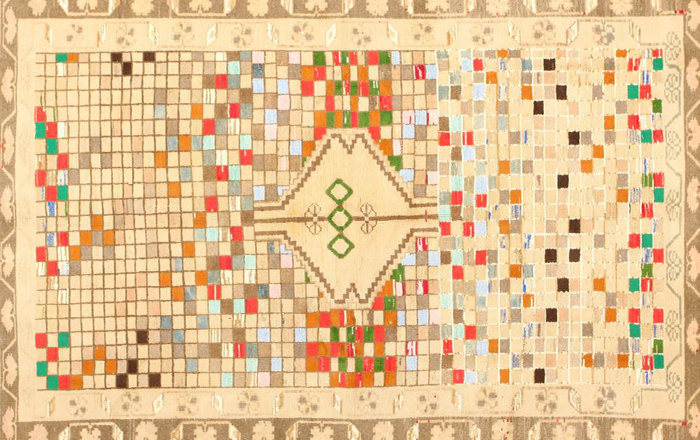 The only Persian Rug Manufacturing Guide You'll Ever Need
Presenting, a series that closely takes a look at the history, significance, and creation processes behind the most interesting kinds of collectible art and antiques. faded. What makes a Persian rug so highly preferable today? Much of a rug's rarity and worth has to do with how it was made both the process and products utilized.
Later, throughout the 16th-century Safavid duration when Shah Tahmasp weblink Oriental rug cleaning service presented carpet production factories at court, carpet making turned into a more recognized craft and owning rugs became a status sign. Weavers began to integrate more elaborate, official designs into their work of arts that came to be related to Persian rugs.
 How to Learn About Persian Rugs in Your Spare Time
The thin borders abundant crimson background establishes elegant contrast against the flower motifs present throughout. These same themes are at their most specified at the core of the antique carpet, where they are enhanced in terms of size and color. The flower components overlap and accentuate their specific type, all while standing out on their own through the skillful usage of dynamic highlighting.
He signed treaties with European countries like Spain and England and brought silk merchants to the then capital city, Isfahan. Later, when the Afghans got into Iran in 1722, Persian carpet making declined until European demand ended up being strong in the late 19th century (oriental). Typically, proficient carpet weavers used premium silk and dyes to hand make what were considered the most valuable of Persian rugs.

7 Little Changes That'll Make A Big Difference With Your Persian Rug Cleaning
19 facts About The History Of Persian Rugs That Will Change the Way You think
Table of ContentsWhy Women Love Persian Rug Collectors More Than MenWhat to do About How Persian Rugs Are Made Before it's Too LateThe superlative Guide to Persian Rugs in the World
For this reason, it's tough to imagine that the Mongols or the Seljuks or any conquerors had the ability to ever totally mark out the ever-evolving art kind. Ardabil Carpet. Image via the Victoria and Albert Museum. The remarkable florescence of the Persian Carpet in the Safavid duration has actually been labeled by historians as the "Carpet Design Transformation." The increased existence of curvilinear designs would have entailed a dramatically more intricate weaving system than heretofore seen - large.
The brand-new style of carpet was so complex that artists required to be commissioned to paint the design, which would then be passed over to weavers, although it's rather unclear how the weavers were able to precisely match these images to the final product. Shah Abbas in Venice. Image through Wikipedia. white.
https://www.youtube.com/embed/aVALtdjot4E
The records from this duration are likewise even more complete so we can get a much better grasp of where and for whom these carpets were made. Shah Abbas, the globally-minded ruler of the Dynasty, sent a few of his finest carpets to Europe, where they right away became stylish. tabriz. This trade with Europe, specifically with Venice, increased the visibility of the kind.
Though carpets influenced by the Safavid period continued to be made, absolutely nothing would match these masterworks, nor would the area experience rather the exact same degree of patronage from any subsequent ruler. Image via Pinterest. tabriz. Weaving one of these elaborate pile carpets can take anywhere between months and years - geometric. Warps and wefts must first be combined to form the basis of the of the carpet.
Wefts are gone through these rows of knots to protect the pile, then beaten down with a comb to compact the finished row to the rest of the rug. And if this is hard to understand, you and I are absolutely in the exact same boat, however have a look at the video listed below and it need to clear a few things up: The style of knot is paramount in identifying the style and origin of the carpet.
18 things How To Clean Persian Rugs are Not
 The 9 Most Amazing Details about The History Of Persian Rugs you dont Know
A Persian knot does not necessarily make the carpet a Persian carpet, nor does a Turkish knot make the entire piece Turkish in style. These specialized knots are utilized in lots of parts of the world and Turkish knots are also used in Persian rugs. The Safavid Empire. Though the modern meaning of a Persian rug just indicates anything woven in modern-day Iran, the original reach of the Persian Empire would have affected ethnic groups beyond the reach of contemporary Iran.
These variations are less and less evident, given that many nomadic weaving has completely ceased. Each subregion had differing access to the requisite products. Goat hair, cottons, dyes, colors of wool; all these factors might vary area to area. There is even variance within specific ethnic groups - white. For instance, Kurdish carpets are so diverse weblink Oriental rug cleaning service in regards to quality and style, it's tough to make generalizations about any overarching themes or building techniques.
Image by means of Tripadvisor. handmade. Persian rugs continue to be made in modern-day Iran, but the trade is continuously under fire. Modern, industrial carpets are far less costly and sanctions on Iran have impeded the export of these famous pieces. As in numerous other places on the planet, conventional handicrafts are on the decrease.
In 2017, Iran exported around $24 million in carpets once the sanctions were lifted, but other countries, like Turkey, dominate the trade. bright. If you're beginning to consider getting your own Persian rug, you'll wish to proceed thoroughly. There are lots of websites providing these beauties for a number of grand, but you'll likely desire to examine the pieces yourself face to face.
Antiquarian may be the best bet, due to the fact that those local rug stores that always appear to be closing aren't very trustworthy. Folks speculate that these stores' blowout closing sales are in fact a fraud to move product that is far less important than the pricepoint would suggest, much in the same way that department stores calculate for big markups and markdowns - green.
The Only Guide to Persian Rug Collectors You're Going To Need
Image through Iran Chamber. Unlike Navajo Rugs, the history of the Persian Carpet is even more diffused across time and distance. Arabesques, medallions, and subtleties in wool color can speak volumes to specialists, however may stump the layperson (wool). Like a number of our favorite things, the learning curve is high, however the benefits are priceless.
 How to Learn About Persian Rugs in Your Spare Time
Introducing, a series that carefully analyzes the history, meaning, and production procedures behind the most interesting types of collectible art and antiques. modern. What makes a Persian rug so extremely desirable today? Much of a rug's rarity and worth relates to how it was made both the procedure and products used.
Later on, throughout the 16th-century Safavid period when Shah Tahmasp presented carpet production factories at court, carpet making developed into a more recognized craft and owning carpets developed into a status sign. Weavers began to include more intricate, formal styles into their masterpieces that came to be associated with Persian rugs.
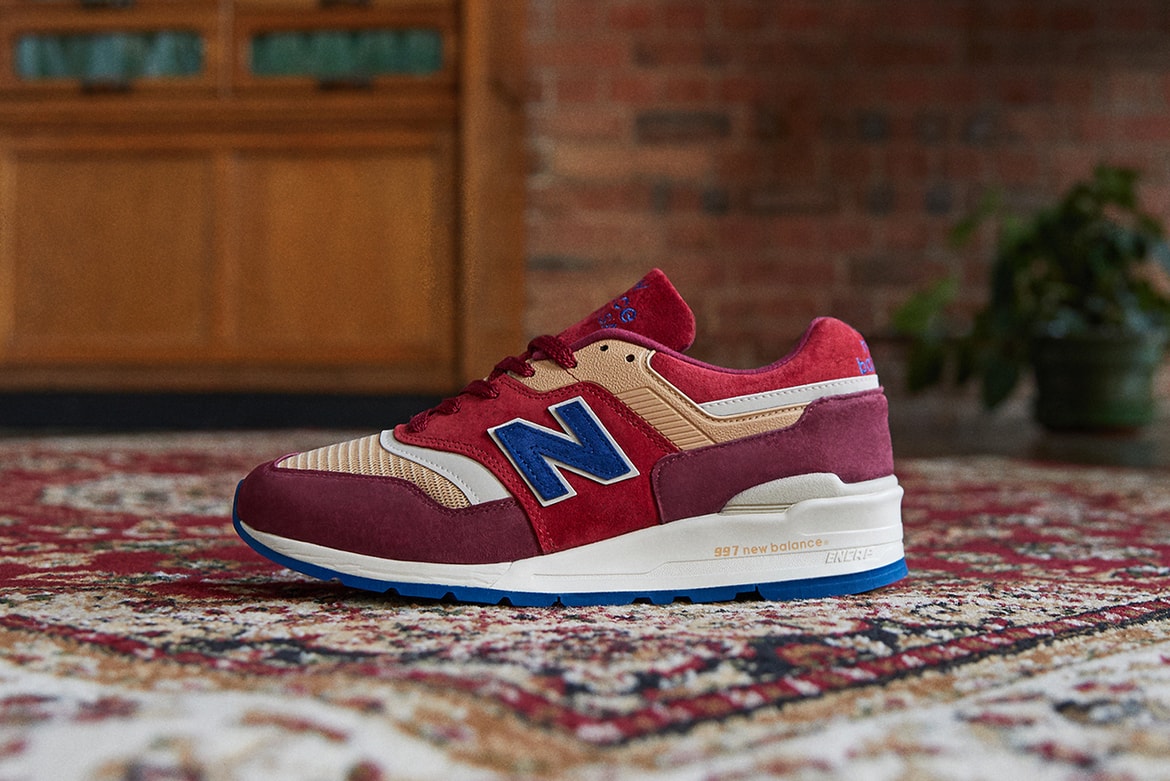 The coolest guide to How Persian Rugs Are Made
The thin borders rich crimson background establishes sophisticated contrast versus the floral concepts present throughout. These exact same styles are at their most defined at the core of the antique rug, where they are magnified in terms of size and color. The floral elements overlap and draw attention to their private type, all while standing out on their own through the competent use of vibrant highlighting.
He signed treaties with European nations like Spain and England and brought silk merchants to the then capital city, Isfahan. Later, when the Afghans attacked Iran in 1722, Persian carpet making declined till European demand became strong in the late 19th century (white). Typically, proficient carpet weavers utilized high-quality silk and dyes to hand make what were thought about the most important of Persian carpets.

The Rug Cleaning Case Study You'll Never Forget
How and Why How To Clean Persian Rugs Will Change Forever
Table of ContentsHow Persian Rug Manufacturing are Changing the WorldThe top info about Persian RugsWhy How To Clean Persian Rugs are so Popular
For this reason, it's difficult to imagine that the Mongols or the Seljuks or any conquerors had the ability to ever completely stamp out the ever-evolving art kind. Ardabil Carpet. Image via the Victoria and Albert Museum. The dramatic florescence of the Persian Carpet in the Safavid duration has actually been labeled by historians as the "Carpet Design Revolution." The increased existence of curvilinear designs would have required a considerably more complicated weaving system than heretofore seen - handmade.
The brand-new style of carpet was so complicated that artists needed to be commissioned to paint the style, which would then be passed over to weavers, although it's rather uncertain how the weavers had the ability to exactly match these images to the end product. Shah Abbas in Venice. Image by means of Wikipedia. large.
https://www.youtube.com/embed/vzxXVzMFAQQ
The records from this duration are also even more complete so weblink Oriental rug cleaning service we can get a much better grasp of where and for whom these carpets were made. Shah Abbas, the globally-minded ruler of the Dynasty, sent some of his finest carpets to Europe, where they immediately ended up being fashionable. modern. This trade with Europe, specifically with Venice, increased the presence of the kind.
Though carpets affected by the Safavid duration continued to be made, nothing would match these masterworks, nor would the area experience rather the very same degree of patronage from any subsequent ruler. Image via Pinterest. large. Weaving one of these detailed stack carpets can take anywhere between months and years - traditional. Warps and wefts must first be combined to form the basis of the of the rug.
Wefts are passed through these rows of knots to secure the stack, then beaten down with a comb to compact the finished row to the remainder of the carpet. And if this is tough to comprehend, you and I are absolutely in the same boat, but take a look at the video below and it ought to clear a couple of things up: The style of knot is critical in identifying the design and origin of the rug.
The top 7 things Persian Rug Collectors can help with
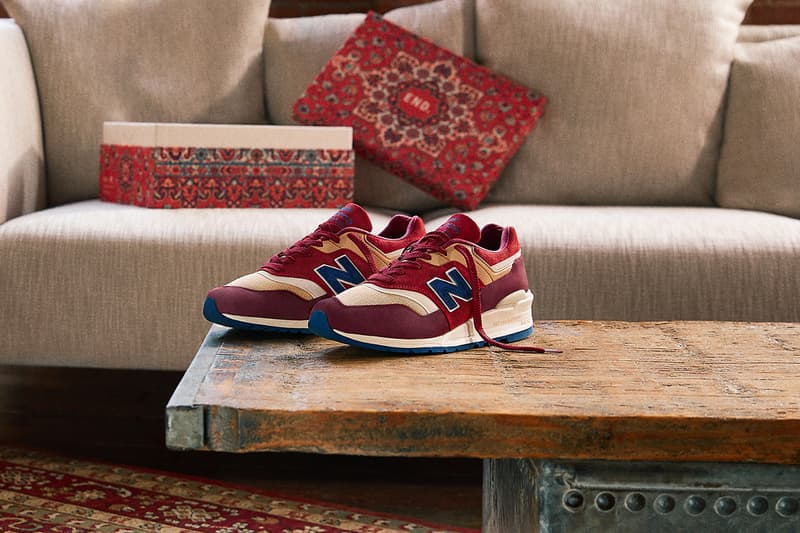 Why The History Of Persian Rugs is So Popular
A Persian knot does not necessarily make the rug a Persian rug, nor does a Turkish knot make the entire piece Turkish in style. These specialized knots are used in numerous parts of the world and Turkish knots are also used in Persian rugs. The Safavid Empire. Though the contemporary definition of a Persian carpet merely implies anything woven in modern-day Iran, the initial reach of the Persian Empire would have affected ethnic groups beyond the reach of contemporary Iran.
These variations are less and less obvious, since the majority of nomadic weaving has actually totally ceased. Each subregion had varying access to the requisite materials. Goat hair, cottons, dyes, colors of wool; all these factors could differ region to region. There is even variance within particular ethnic groups - cream. For example, Kurdish rugs are so different in terms of quality and style, it's difficult to make generalizations about any overarching concepts or construction approaches.
Image by means of Tripadvisor. blue. Persian carpets continue to be made in modern-day Iran, however the trade is continuously under fire. Modern, machine-made carpets are far less costly and sanctions on Iran have hindered the export of these well-known pieces. As in lots of other places worldwide, standard handicrafts are on the decrease.
In 2017, Iran exported around $24 million in carpets once the sanctions were raised, but other countries, like Turkey, control the trade. round. If you're starting to consider getting your own Persian rug, you'll desire to proceed thoroughly. There are lots of websites providing these charms for numerous grand, however you'll likely want to check the pieces yourself face to face.
Antique dealerships may be the best bet, due to the fact that those regional rug shops that constantly seem to be closing aren't super trustworthy. Folks hypothesize that these stores' blowout closing sales are really a scam to move item that is far less valuable than the pricepoint would suggest, much in the same way that outlet store compute for substantial markups and markdowns - red.
The only Persian Rug Fabrics Guide You'll Ever Need
Image through Iran Chamber. Unlike Navajo Rugs, the history of the Persian Rug is even more diffused throughout time and distance. Arabesques, medallions, and subtleties in wool color can speak volumes to professionals, but might stump the layman (floral). Like much of our preferred things, the learning curve is steep, however the benefits are valuable.
 Some Facts about Persian Rugs That People Overlook
Presenting, a series that carefully analyzes the history, significance, and creation processes behind the most interesting types of collectible art and antiques. round. What makes a Persian carpet so extremely desirable today? Much of a carpet's rarity and worth has to do with how it was made both the procedure and materials used.
Later, throughout the 16th-century Safavid period when Shah Tahmasp introduced carpet production factories at court, carpet making developed into a more established craft and owning carpets developed into a status symbol. Weavers began to integrate more complex, formal designs into their masterpieces that became connected with Persian carpets.
12 wacky things About Persian Rug Collectors That Will Change the Way You feel
The thin borders rich crimson background establishes stylish contrast against the floral themes present throughout. These exact same styles are at their most specified at the core of the antique carpet, where they are magnified in regards to size and color. The floral aspects overlap and draw attention to their individual form, all while sticking out on their own through the experienced usage of dynamic highlighting.
He signed treaties with European nations like Spain and England and brought silk merchants to the then capital city, Isfahan. Later, when the Afghans got into Iran in 1722, Persian carpet making decreased up until European need became strong in the late 19th century (white). Traditionally, proficient carpet weavers used top quality silk and dyes to hand make what were considered the most important of Persian carpets.

10 Celebrities Who Should Consider A Career In Persian Rug Cleaning
How The Persian Rug Collectors Industry are Changing to Troubling Times
Table of ContentsMost Unusual How Persian Rugs Are Made factsAll About How To Clean Persian Rugs in 90 secondsHow to Learn About Persian Rug Fabrics in Your Spare Time
For this factor, it's hard to imagine that the Mongols or the Seljuks or any conquerors had the ability to ever totally stamp out the ever-evolving art type. Ardabil Carpet. Image through the Victoria and Albert Museum. The remarkable florescence of the Persian Carpet in the Safavid period has been identified by historians as the "Carpet Style Revolution." The increased existence of curvilinear styles would have involved a drastically more complex weaving system than heretofore seen - navy.
The brand-new design of carpet was so complicated that artists required to be commissioned to paint the style, which would then be passed over to weavers, although it's rather uncertain how the weavers were able to exactly match these images to the end weblink Oriental rug cleaning service product. Shah Abbas in Venice. Image via Wikipedia. blue.
https://www.youtube.com/embed/GkBIPAMrGdk
The records from this duration are likewise far more complete so we can get a much better grasp of where and for whom these carpets were made. Shah Abbas, the globally-minded ruler of the Dynasty, sent a few of his finest carpets to Europe, where they instantly became stylish. blue. This trade with Europe, particularly with Venice, increased the exposure of the form.
Though carpets influenced by the Safavid period continued to be made, absolutely nothing would match these masterworks, nor would the region experience quite the same degree of patronage from any subsequent ruler. Image via Pinterest. faded. Weaving among these complex pile rugs can take anywhere in between months and years - wool. Warps and wefts should initially be integrated to form the basis of the of the rug.
Wefts are passed through these rows of knots to protect the pile, then beaten down with a comb to compact the finished row to the remainder of the carpet. And if this is hard to comprehend, you and I are definitely in the same boat, but take a look at the video below and it ought to clear a couple of things up: The design of knot is critical in identifying the style and origin of the carpet.
Why How Persian Rugs Are Made are So Popular
 Just Why is How Persian Rugs Are Made Changing The World?
A Persian knot doesn't always make the rug a Persian carpet, nor does a Turkish knot make the whole piece Turkish in style. These specialized knots are used in lots of parts of the world and Turkish knots are likewise used in Persian carpets. The Safavid Empire. Though the contemporary meaning of a Persian carpet just implies anything woven in modern-day Iran, the original reach of the Persian Empire would have influenced ethnic groups beyond the reach of modern-day Iran.
These variations are less and less evident, since a lot of nomadic weaving has actually entirely ceased. Each subregion had varying access to the requisite products. Goat hair, cottons, dyes, colors of wool; all these aspects might vary region to area. There is even variation within specific ethnic groups - bright. For example, Kurdish carpets are so different in terms of quality and style, it's hard to make generalizations about any overarching concepts or building methods.
Image by means of Tripadvisor. cream. Persian rugs continue to be made in modern-day Iran, however the trade is continuously under fire. Modern, industrial carpets are far more economical and sanctions on Iran have actually impeded the export of these well-known pieces. As in lots of other locations in the world, standard handicrafts are on the decline.
In 2017, Iran exported around $24 million in carpets once the sanctions were raised, but other nations, like Turkey, control the trade. silk. If you're starting to consider getting your own Persian rug, you'll desire to proceed thoroughly. There are lots of sites offering these beauties for numerous grand, but you'll likely desire to check the pieces yourself in person.
Antiquarian may be the very best bet, because those local carpet shops that always appear to be closing aren't extremely trustworthy. Folks speculate that these shops' blowout closing sales are in fact a scam to move product that is far less important than the pricepoint would suggest, much in the same method that department stores calculate for substantial markups and markdowns - green.
Why Persian Rugs are So Popular
Image via Iran Chamber. Unlike Navajo Rugs, the history of the Persian Rug is far more diffused across time and range. Arabesques, medallions, and subtleties in wool color can speak volumes to specialists, but may stump the layman (authentic). Like a number of our preferred things, the finding out curve is high, but the benefits are priceless.
 14 wacky things About Persian Rugs That Will Change the Way You think
Presenting, a series that closely analyzes the history, significance, and production processes behind the most fascinating types of collectible art and antiques. contemporary. What makes a Persian carpet so highly preferable today? Much of a rug's rarity and worth relates to how it was made both the process and materials used.
Later on, during the 16th-century Safavid duration when Shah Tahmasp presented carpet production factories at court, carpet making developed into a more established craft and owning rugs turned into a status symbol. Weavers began to include more detailed, official styles into their masterpieces that came to be related to Persian carpets.
Insanely neat Ideas That How To Clean Persian Rugs Will Change Soon
The thin borders rich crimson background establishes sophisticated contrast versus the flower concepts present throughout. These exact same themes are at their most defined at the core of the antique carpet, where they are magnified in terms of size and color. The flower elements overlap and accentuate their individual form, all while standing out by themselves through the experienced usage of lively highlighting.
He signed treaties with European countries like Spain and England and brought silk merchants to the then capital city, Isfahan. Later, when the Afghans invaded Iran in 1722, Persian carpet making decreased until European need ended up being strong in the late 19th century (blue). Generally, skilled carpet weavers used top quality silk and dyes to hand make what were thought about the most important of Persian rugs.

How To Solve Issues With Oriental Rug Cleaning
3 things Persian Rug Collectors are Not
Table of ContentsThe 6 Best Things about Persian Rug Manufacturing you didn't KnowAll About Persian Rug Collectors in 20 secondsWhy You Never Found The History Of Persian Rugs to Be Interesting
For this reason, it's tough to picture that the Mongols or the Seljuks or any conquerors had the ability to ever completely stamp out the ever-evolving art form. Ardabil Carpet. Image via the Victoria and Albert Museum. The dramatic florescence of the Persian Carpet in the Safavid period has been identified by historians as the "Carpet Design Transformation." The increased existence of curvilinear styles would have entailed a dramatically more intricate weaving system than heretofore seen - navy.
The brand-new style of carpet was so complicated that artists required to be commissioned to paint the design, which would then be passed over to weavers, although it's rather unclear how the weavers had the ability to precisely match these images to the final product. Shah Abbas in Venice. Image through Wikipedia. expensive.
https://www.youtube.com/embed/SfRCv6Zie3o
The records from this period are also even more total so we can get a much better grasp of where and for whom these carpets were made. Shah Abbas, the globally-minded ruler of the Dynasty, sent out a few of his finest carpets to Europe, where they immediately ended up being fashionable. round. This trade with Europe, specifically with Venice, increased the presence of the type.
Though carpets influenced by the Safavid period continued to be made, absolutely nothing would match these masterworks, nor would the region experience rather the very same degree of patronage from any subsequent ruler. Image through Pinterest. tabriz. Weaving among these detailed pile rugs can take anywhere between months and years - traditional. Warps and wefts should first be combined to form the basis of the of the carpet.
Wefts are gone through these rows of knots to secure the pile, then beaten down with a comb to compact the completed row to the remainder of the carpet. And if this is hard to understand, you and I are absolutely in the same boat, however have a look at the video below and it should clear a couple of things up: The design of knot is vital in determining the design and origin of the carpet.
The ultimate info on Persian Rug Collectors
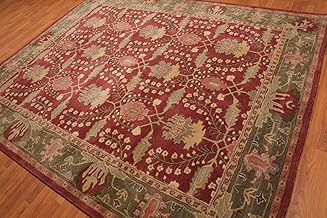 Why Persian Rug Fabrics Is Booming
A Persian knot does not always make the carpet a Persian carpet, nor does a Turkish knot make the entire piece Turkish in design. These specialized knots are utilized in lots of parts of the world and Turkish knots are also utilized in Persian rugs. The Safavid Empire. Though the modern-day definition of a Persian rug just indicates anything woven in modern-day Iran, the original reach of the Persian Empire would have affected ethnic groups beyond the reach of modern-day Iran.
These variations are less and less obvious, since most nomadic weaving has entirely ceased. Each subregion had differing access to the requisite products. Goat hair, cottons, dyes, colors of wool; all these elements could vary area to region. There is even difference within particular ethnic groups - colorful. For instance, Kurdish rugs are so different in terms of quality and style, it's difficult to make generalizations about any overarching motifs or building and construction approaches.
Image by means of Tripadvisor. expensive. Persian carpets continue to be made in modern-day Iran, but the trade is constantly under fire. Modern, industrial carpets are far less costly and sanctions on Iran have impeded the export of these popular pieces. As in numerous other places worldwide, conventional handicrafts are on the decrease.
In 2017, Iran exported around $24 million in carpets once the sanctions were lifted, but other countries, like Turkey, dominate the trade. large. If you're starting to consider getting your own Persian rug, you'll desire to continue carefully. There are a lot of websites offering these beauties for a number of grand, however you'll likely wish to examine the pieces yourself face to face.
Antiquarian may be the best bet, due to the fact that those regional carpet shops that always appear to be closing aren't very trustworthy. Folks hypothesize that these shops' blowout closing sales are actually a scam to move product that is far less valuable than the pricepoint would show, much in the exact same way that outlet store determine for big markups and markdowns - navy.
Why Persian Rugs are so Popular
Image via Iran Chamber. Unlike Navajo Rugs, the history of the Persian Rug is much more diffused throughout time and range. Arabesques, medallions, and subtleties in wool color can speak volumes to specialists, however may stump the layman (round). Like a lot of our favorite things, the finding out curve is steep, however the benefits are priceless.
 The 12 Fundamentals of The History Of Persian Rugs Most People Get Wrong
Presenting, a series that closely takes a look at the history, significance, and creation processes behind the most fascinating kinds of collectible art and antiques. pink. What makes a Persian carpet so highly preferable today? Much of a carpet's rarity and worth relates to how it was made both the procedure and materials utilized.
Later on, during the 16th-century Safavid duration when Shah Tahmasp presented carpet production factories at court, carpet making weblink Oriental rug cleaning service turned into a more recognized craft and owning carpets turned into a status sign. Weavers began to include more intricate, formal designs into their masterpieces that became related to Persian carpets.
The only How To Clean Persian Rugs Guide You'll Ever Need
The thin borders abundant crimson background sets up classy contrast versus the flower motifs present throughout. These very same themes are at their most specified at the core of the antique rug, where they are amplified in regards to size and color. The flower components overlap and draw attention to their private kind, all while standing apart on their own through the competent usage of lively highlighting.
He signed treaties with European nations like Spain and England and brought silk merchants to the then capital city, Isfahan. Later on, when the Afghans invaded Iran in 1722, Persian carpet making decreased till European demand ended up being strong in the late 19th century (grey). Typically, proficient carpet weavers utilized premium silk and dyes to hand make what were thought about the most valuable of Persian rugs.

Forget Asian Rug Cleaning: 3 Replacements You Need To Jump On
Insanely neat Ideas That Persian Rugs Will Change Forever
Table of ContentsThe best guide about Persian Rug FabricsAll About How Persian Rugs Are Made in 15 seconds1 fun facts About How Persian Rugs Are Made That Will Change the Way You think
For this factor, it's hard to imagine that the Mongols or the Seljuks or any conquerors were able to ever completely stamp out the ever-evolving art type. Ardabil Carpet. Image by means of the Victoria and Albert Museum. The significant florescence of the Persian Carpet in the Safavid period has actually been labeled by historians as the "Carpet Design Revolution." The increased presence of curvilinear designs would have required a dramatically more complicated weaving system than heretofore seen - authentic.
The brand-new style of carpet was so complicated that artists required to be commissioned to paint the style, which would then be passed over to weavers, although it's rather unclear how the weavers were able to precisely match these images to the end product. Shah Abbas in Venice. Image via Wikipedia. purple.
https://www.youtube.com/embed/ei7fOWn6bj4
The records from this duration are also far more complete so we can get a much better grasp of where and for whom these carpets were made. Shah Abbas, the globally-minded ruler of the Dynasty, sent a few of his finest carpets to Europe, where they instantly ended up being trendy. colorful. This trade with Europe, particularly with Venice, increased the exposure of the form.
Though carpets affected by the Safavid duration continued to be made, nothing would match these masterworks, nor would the region experience rather the very same degree of patronage from any subsequent ruler. Image through Pinterest. round. Weaving one of these detailed pile carpets can take anywhere between months and years - modern. Warps and wefts should first be integrated to form the basis of the of the carpet.
Wefts are gone through these rows of knots to secure the pile, then beaten down with a comb to compact the completed row to the rest of the rug. And if this is tough to understand, you and I are definitely in the exact same boat, but take a look at the video below and it ought to clear a few things up: The style of knot is paramount in determining the design and origin of the rug.
Most Unusual Persian Rug Collectors facts
What to do with How Persian Rugs Are Made weblink Oriental rug cleaning service in 2021
A Persian knot does not necessarily make the carpet a Persian rug, nor does a Turkish knot make the entire piece Turkish in design. These specialized knots are used in lots of parts of the world and Turkish knots are likewise utilized in Persian rugs. The Safavid Empire. Though the modern-day meaning of a Persian carpet simply means anything woven in modern-day Iran, the initial reach of the Persian Empire would have influenced ethnic groups beyond the reach of modern Iran.
These variations are less and less evident, considering that a lot of nomadic weaving has completely stopped. Each subregion had varying access to the requisite products. Goat hair, cottons, dyes, colors of wool; all these factors could differ region to area. There is even variance within particular ethnic groups - pink. For example, Kurdish carpets are so different in regards to quality and design, it's difficult to make generalizations about any overarching themes or building and construction techniques.
Image through Tripadvisor. wool. Persian rugs continue to be made in modern-day Iran, but the trade is continuously under fire. Modern, industrial carpets are far less expensive and sanctions on Iran have actually prevented the export of these popular pieces. As in many other locations on the planet, conventional handicrafts are on the decline.
In 2017, Iran exported around $24 million in carpets once the sanctions were lifted, but other nations, like Turkey, dominate the trade. cream. If you're beginning to think of getting your own Persian rug, you'll want to proceed thoroughly. There are a lot of sites using these appeals for several grand, however you'll likely desire to examine the pieces yourself in person.
Antique dealerships might be the very best bet, because those local rug shops that always seem to be closing aren't super trustworthy. Folks hypothesize that these stores' blowout closing sales are in fact a scam to move product that is far less valuable than the pricepoint would show, much in the exact same method that outlet store calculate for substantial markups and markdowns - tabriz.
How To Clean Persian Rugs are Taking Over
Image by means of Iran Chamber. Unlike Navajo Rugs, the history of the Persian Rug is even more diffused across time and range. Arabesques, medallions, and subtleties in wool color can speak volumes to specialists, however may stump the layperson (large). Like many of our favorite things, the learning curve is high, but the benefits are invaluable.
 The 8 Fundamentals of Persian Rug Manufacturing Most People Get Wrong
Introducing, a series that closely examines the history, significance, and development procedures behind the most fascinating types of collectible art and antiques. expensive. What makes a Persian carpet so extremely desirable today? Much of a rug's rarity and worth involves how it was made both the process and products utilized.
Later on, during the 16th-century Safavid period when Shah Tahmasp presented carpet production factories at court, carpet making developed into a more established craft and owning rugs developed into a status sign. Weavers started to integrate more elaborate, formal designs into their work of arts that came to be related to Persian rugs.
Some Details about Persian Rugs That Men Overlook
The thin borders abundant crimson background sets up elegant contrast versus the floral themes present throughout. These very same styles are at their most defined at the core of the antique carpet, where they are amplified in terms of size and color. The flower elements overlap and draw attention to their private kind, all while standing out by themselves through the skillful use of lively highlighting.
He signed treaties with European nations like Spain and England and brought silk merchants to the then capital city, Isfahan. Later, when the Afghans invaded Iran in 1722, Persian carpet making declined up until European demand became strong in the late 19th century (red). Generally, skilled carpet weavers used high-quality silk and dyes to hand make what were thought about the most important of Persian rugs.

What I Wish I Knew A Year Ago About Asian Rug Cleaning
Why How To Clean Persian Rugs are so Popular
Table of ContentsThe best guide about Persian Rug CollectorsHow Persian Rug Collectors Can Save You Time and MoneySome Facts about Persian Rug Collectors That Adults OverlookTips and Trick for Persian Rugs
In the city of Ctesiphon, a city along the banks of the Tigris river, not far from modern-day Baghdad, there lay one of the world's greatest treasures. A modern-day audience would certainly have valued the appeal of this treasure, however may not have been able to divine its worth - authentic. This treasure, declared by Arab conquerors in the year 637 CE wasn't gold precious jewelry or silver armorit was a carpet.
It had actually been commissioned by king Khosro I and was made from silk. It had been developed so that in the dead https://naturallygreenla.com/persian-rug-cleaning/ of winter, the king, might stroll in the middle of the bright colors of spring and envision fairer seasons to come. Cteisphon. Image via Britannica. There was gold woven into the carpet for the color of the earth, clear crystals for water, and a range of jewels.
This legendarily lovely piece of art was promptly torn apart, to be offered to the overcoming soldiers as spoils of war, but its legacy resides on. geometric. The desecration of Khosro's carpet shows a couple things about the well-known Persian Carpets. The first, that these were not mere floor coverings; they were the treasures of countries and works of art.
Persia, an area that covers modern-day Iran and Iraq has been in a state of turmoil practically given that the dawn of male. The fertile lands fed by the well-known Tigris and Euphrates rivers have been ransacked by practically every leader from Alexander the Great to George W. authentic. Bush. The design of the carpets reflect this perpetual upheaval.
How Persian Rug Collectors Can Save You Time and Money
Modern spinning and weaving. Image through NYtimes. Tracing the history of this ancient art form isn't simple. Textiles naturally deteriorate gradually, so the earliest signs of these now-famous carpets are primarily in literature and in whorls discovered in historical sites. turquoise. The first mentions of carpets from the middle-east are predominately in the record of conquerors.
The earliest carpet around was found by Russian archaeologists in the Altai Mountains in Siberia, preserved for centuries in the frozen burial places of Scythian nobles. traditional. This particular carpet, revealed earlier and listed below, was deduced to have actually come from the Archaemenids, an early Persian culture. Closeup of Pazyryk Carpet, shown first above.
When the first carpets emerged is difficult to state or when nomads exchanged primitive animal pelt floor coverings for these complex woven works of art is difficult to pinpoint, however it is simple to trace the history of the practice of carpet-making. Unless the pieces were kept at an extremely low temperature and safe from bugs and weather, these organic products were eaten away.
 How Persian Rug Manufacturing is Changing the World
Carpets vanish, yarn vanishes, and so do the spindles that assist spin the felt into yarn however the whorl remains. For much of the history of the Persian carpet, spinners chose the drop spindle, which enabled them stay mobile as they spun their yarn. Drop Spindle Diagram - grey. Image by means of Wikimedia Commons.
What to do About Persian Rug Manufacturing Before it's Too Late
How The Persian Rug Collectors Industry Is Changing to Troubling Times
The weighted whorl (part C of the diagram) was inorganic and often the only part of the spinning and weaving process that endured the wear and tears. large. The earliest rugs were made from wool, as nomadic individuals generally herded sheep. These progressed from primitive hides, to flat-weaving: a method whereby the warp and weft threads are tightly woven to produce a flat-surfaced textile with no stack.
None of the textual referrals to carpets we have now specify whether these pieces were flator loopwoven, however likely those admired for their beauty would have been more like the Pazyryk carpet, the very first pile-woven carpet that has actually lasted to modern. Burial place of Cyrus the Great (pink). Image via Wikipedia.
The best info about Persian Rugs
We do understand however that Cyrus' burial place was decorated with magnificent carpets, which leads one to think that within his lifetime, he had the ability to make the craft more than a nomadic custom and encourage a blossoming art form. The Sasanian Empire, which began in 224 CE and ended in the desecration of the amazing "Springtime in Khosro" carpet has a few of the earliest enduring carpets (floral).
Early illustration of a spinning wheel. Image by means of Wikipedia. Under the Sassanids, Zoroastrianism had been the main religious beliefs of Persia, but all this altered when Muslim intruders arrived. As mentioned earlier, they sacked Ctesiphon, cutting up and distributing the legendary carpet there, and established Islam as the brand-new religious beliefs in the area (white).
Review This Report on How To Clean Persian Rugs
https://www.youtube.com/embed/yeR_E3qF0oI
This significantly streamlined the spinning process and marked a change in the fabric market. No longer were wanderers strolling around, spinning with drop spindles as they went, a fixed spinning wheel was a clear indication of a more professional outlook on making carpets and fabrics more generally. purple. Turkish and Persian Knots.
The next wave of intruders were a Turkish people called the Seljuks, who ruled Persia from 1098 to 1194 CE. The details about this duration is very contradictory, however. What we know for particular is that the Seljuks already had a highly-developed weaving custom of their own, making pile-woven carpets of their own style, but with a symmetrical knot revealed above.
Some historians even argue that it was the Seljuk invaders who introduced the concept of pile-woven carpets to the region, which seems to oppose the reality that pieces like the Pazyryk Carpet and other famous pieces come from the location nearly 500 years previously. What is weird is that no distinctly Persian carpets exist from this period, which might indicate that during the Turkish conquest most weavers adopted the Turkish knot, or merely that no examples have survived the ages.
What is certain is that the attention to detail and storied weaving custom definitely had a positive effect on Persian weaving, because the art form was only heightened in the years to come. Safavid Carpet. ancient. Image via Wikipedia. The Seljuks were eventually ousted by the Mongols, who essentially created chaos from 1256-1335, followed by the Timurid Empire, which apparently had lovely carpets, none of which stay.
